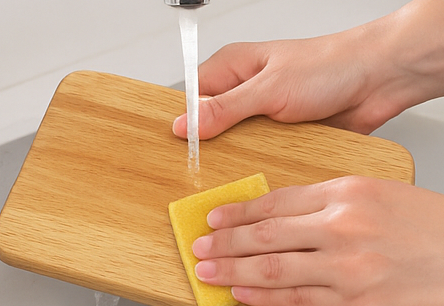
Wooden cutting boards are one of the most-used tools in any kitchen, but they can also be the most confusing to care for. A lot of people search “wooden cutting board dishwasher” because they want a simple yes-or-no answer, especially when they’re trying to keep things sanitary without extra work. The short answer is that most wooden boards don’t handle dishwashers well, but the good news is that caring for them can be simple once you know the basics.
Can You Put a Wooden Cutting Board in the Dishwasher?
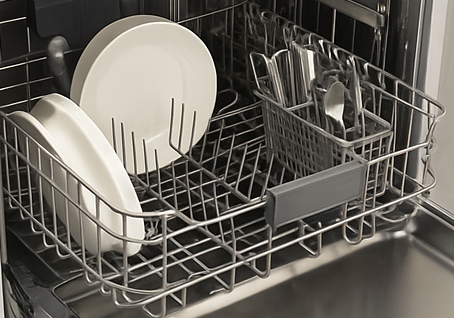
If you’re wondering whether a wooden cutting board can go in the dishwasher, the safest general advice is: it’s usually not recommended. Many manufacturers specifically advise against it, and for good reason. Dishwashers combine high heat, long water exposure, powerful detergents, and a drying cycle—exactly the conditions that can damage wood over time.
That doesn’t mean your board will instantly break after one cycle, but repeated dishwasher washing often leads to warping, cracking, rough surfaces, and shortened lifespan. If you’ve invested in a good wooden board, hand-washing is almost always the better choice.
Why a Wooden Cutting Board and Dishwasher Don’t Mix
High Heat and Drying Cycles Can Warp or Crack Wood
Dishwashers often use very hot water (commonly around 60–70°C / 140–158°F or more) followed by heated drying. Wood naturally expands when it absorbs moisture and contracts when it dries. In a dishwasher, that expansion-and-contraction happens fast and unevenly, which can lead to:
Warping (the board no longer lies flat)
Cracks and splits, especially along the grain
Raised fibers that make the surface feel rough
Strong Detergents Can Strip the Surface
Dishwasher detergents are designed to break down grease and food residue aggressively. Over time, those detergents can strip the wood’s protective oils and leave it dry and more vulnerable to stains, odors, and cracking. In some cases, detergent residue can also linger in the wood grain, which many people prefer to avoid.
Long Soaking Time Is Hard on Glue and Joints
Many wooden cutting boards are made from multiple pieces of wood joined together, or they have laminated layers (including many bamboo boards). Prolonged exposure to hot water can weaken glues and joints, eventually causing:
Separation at seams
Loose or lifted edges
A board that feels unstable or starts to split apart
Proper Wooden Cutting Board Cleaning: A Simple Routine
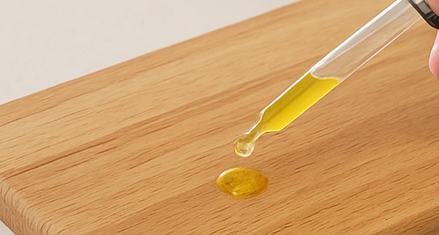
You don’t need complicated steps. The key is consistency: clean promptly, use mild products, and dry thoroughly.
Wash Right After Use
Try to wash your board soon after cooking, especially if you used it for raw meat, fish, or strongly scented foods like garlic and onions.
Rinse with warm (not scalding) water
Use a small amount of mild dish soap
Scrub with a soft sponge or brush (avoid harsh steel wool unless you’re restoring the surface)
Avoid Soaking
Don’t leave the board sitting in a sink full of water. Even a “short soak” can encourage warping because one side absorbs more water than the other.
Occasional Heat Rinse for Extra Freshness
If you want a simple “extra clean” habit, you can pour hot water over the surface after washing, then dry immediately. This can help reduce lingering odors and makes the board feel fresher. Just keep it reasonable—boiling water repeatedly may stress some boards, especially thin ones.
Use Salt and Acid for Odors and Stains
When a board starts holding onto smells (like fish or onions), a quick deodorizing scrub can help.
Sprinkle coarse salt over the surface
Rub with half a lemon, or wipe with a little white vinegar
Let it sit for a few minutes, then rinse and dry
This is a practical, food-safe method many home cooks use, and it’s often enough for routine odor control.
Dry Thoroughly and Store Upright
Drying is just as important as washing.
Wipe with a clean towel
Stand the board upright or on its edge so air can circulate
Avoid storing it flat on a wet counter
Poor airflow is one of the biggest reasons boards develop musty smells or surface mold.
How to Maintain a Wooden Cutting Board So It Lasts Longer
Oil Regularly (This Matters More Than People Think)
Oiling helps reduce moisture absorption, prevents drying and cracking, and keeps the surface smoother.
Use a food-grade mineral oil (commonly recommended because it’s stable and doesn’t go rancid)
Apply a thin coat, let it soak in, then wipe off excess
Start with once a week for a new or dry board, then move to once a month (or as needed)
Some people use cooking oils like olive oil, but many wood-care guides prefer mineral oil because some kitchen oils can become sticky or develop off smells over time. If you want a simple, low-maintenance option, mineral oil or a cutting board conditioner is usually easiest.
Avoid Direct Sunlight and Heat
Leaving a board in direct sunlight or near a stove/oven vent can dry it unevenly and increase cracking. Store it somewhere cool and dry with good airflow.
Use Separate Boards for Different Foods
If you cook often, using multiple boards can make hygiene easier:
One for raw meat and seafood
One for vegetables and fruit
One for bread or ready-to-eat foods
This reduces cross-contamination risk and helps boards stay cleaner with less effort.
Common Questions and Concerns
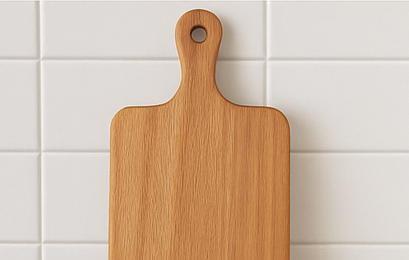
What if I already put my wooden cutting board in the dishwasher once?
One cycle doesn’t always ruin a board, but check for early signs of stress:
Has it warped (rocks on the counter)?
Are there small cracks forming?
Does the surface feel rougher than before?
If it feels rough, a light sanding (fine-grit sandpaper) and re-oiling can often restore it.
Is a wooden cutting board sanitary compared to plastic?
Both can be sanitary if cared for properly. Plastic boards are often easier to sanitize in a dishwasher, but they can develop deep knife grooves that trap residue over time. Wooden boards can stay in great shape with routine washing, full drying, and regular oiling. The “best” choice often depends on your habits and how consistently you clean and replace boards when needed.
How do I know when it’s time to replace a wooden cutting board?
Consider replacing it if:
Deep cracks are forming (hard to clean properly)
It has persistent odors that won’t go away after cleaning
The surface is heavily gouged or splintering
Seams are separating (especially on laminated boards)
Practical Tips You Can Follow Every Day
Wash quickly, don’t soak, and dry upright
Use mild soap and warm water instead of harsh cleaners
Deodorize with salt and lemon or vinegar when needed
Oil with food-grade mineral oil regularly
Keep separate boards for raw proteins and ready-to-eat foods
If the board looks dry, feels rough, or absorbs water quickly, it’s time to oil
Disclaimer
This article is for general informational purposes only. Care recommendations can vary depending on the type of wood, how the board is made, and the manufacturer’s instructions. Individual kitchens and hygiene needs also vary. If you’re unsure about your specific cutting board, check the care guide from the maker or ask a kitchenware professional for advice.
Leave a Reply