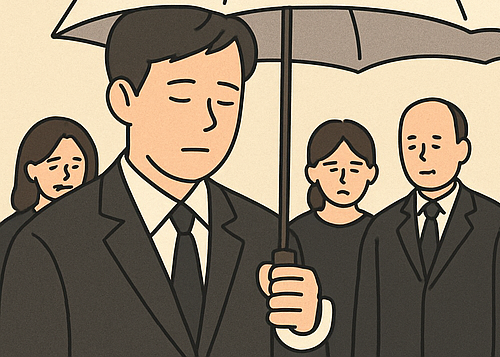
A dream about a family member dying can be one of the most upsetting dreams to wake up from. Even if you know it was “just a dream,” the sadness can linger and leave you wondering whether it was a warning or a hidden sign. Many people search this topic because the dream feels too intense to ignore.
In dream symbolism, though, “death” often points to change rather than a literal event. These dreams can reflect endings, emotional transitions, and the start of a new phase in your life or in how you relate to your family.
Dream About a Family Member Dying: Why Your Mind Creates This Scene
Dreams frequently use strong images to express feelings that are hard to process in everyday life. Family members are powerful symbols in dreams because they are tied to safety, identity, responsibility, and attachment.
When your brain chooses “death” as the image, it may be pointing to:
A major life shift (moving, changing jobs, ending a chapter)
Growing independence or changing roles within the family
Unspoken anxiety, guilt, or emotional fatigue
A need to “let go” of an old version of yourself
A transformation in the relationship, not the person
In other words, the dream can be less about loss and more about transition. The emotional weight is real, but the meaning is often symbolic.
Common Dream Scenarios and What They Often Mean
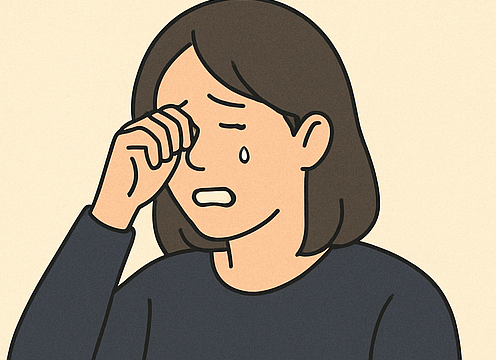
Parents Dying in a Dream
Dreaming about your mother or father dying can feel especially shocking, because it hits a deep fear. Symbolically, parents often represent stability, protection, authority, and the foundation of your life.
This dream can show up when:
You are stepping into a new responsibility and feel pressure to “be the adult”
Your relationship with a parent is changing (distance, conflict, or a new closeness)
You are separating emotionally from old expectations
You are worried about health, aging, or time passing, even if you rarely say it out loud
Some traditional interpretations view a peaceful, calm scene as a sign of renewal or an improvement in life direction. From a practical perspective, it may also simply reflect the mind trying to cope with change by using the strongest possible symbol.
A useful question to ask yourself is: What is changing in my life right now that makes me crave stability?
Siblings Dying in a Dream
A sibling in a dream often represents your social self, your emotional mirror, or the part of you that learned how to compete, cooperate, share, and handle conflict. So a dream about a brother or sister dying can point to shifts in relationships or emotional growth.
This dream may reflect:
Resolving a conflict or moving past old resentment
Outgrowing a role you had in the family (the “peacekeeper,” the “responsible one,” the “problem one”)
Changing dynamics in your friendships or social world
A period of emotional maturity where you’re letting go of an old identity
People often say, “I felt unbearably sad in the dream.” Interestingly, intense sadness in dreams can sometimes appear when your mind is releasing something that has been heavy for a long time. It doesn’t mean you want separation. It can mean you’re processing change.
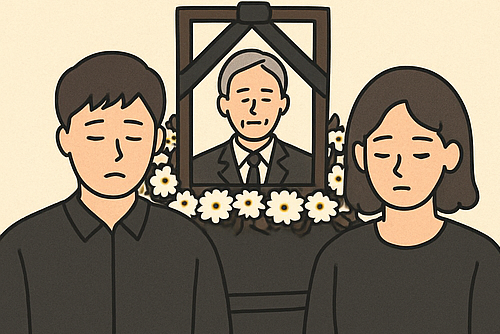
Dreaming of a Funeral With Many Visitors
A crowded funeral scene is common in symbolic dream language because it combines endings with social attention and recognition. Rather than predicting something literal, it often reflects how you feel about visibility, reputation, and life direction.
This kind of dream can be connected to:
A desire to be acknowledged for your efforts
A moment where your work, plans, or choices are being noticed by others
A “turning point” feeling, like you’re closing one chapter and stepping into another
An upcoming opportunity that feels larger than your usual comfort zone
If the dream felt oddly organized or ceremonial, it may point to closure and transition. If it felt chaotic and stressful, it may point to overwhelm and fear of judgment.
When to Take These Dreams as a Stress Signal
Most dreams like this are symbolic, but the emotional intensity can still be a real signal about your mental state. Pay attention if you notice patterns like these:
The dream repeats frequently or becomes more vivid over time
You wake up anxious, exhausted, or unable to fall back asleep
You feel pulled into “following” the death scene or can’t stop replaying it during the day
Dark, shadowy figures or threatening presences appear along with the death theme
You are going through burnout, grief, depression, or prolonged stress
In these cases, the dream may be less about “meaning” and more about your nervous system asking for relief and support. It can help to treat it as a mental health check-in rather than a prediction.
What This Dream Might Be Telling You About Your Life Right Now
A dream about a family member dying often appears when you’re in one of these seasons:
You’re making a big decision and fear the consequences
You feel responsible for others and are emotionally worn down
You’re changing how you set boundaries with family
You’re becoming more independent, even if part of you resists it
You are leaving an old version of your life behind
A gentle, grounded way to interpret the dream is to focus on the “transition” theme. Death in dreams frequently symbolizes “the end of one phase” and “the beginning of another,” not an actual loss.
Common Questions or Concerns
Does this dream mean something bad will happen to my family?
In most cases, no. Dreams usually reflect your emotions, worries, and inner transitions rather than predicting real events. If you’re anxious about a loved one’s health, it’s understandable that your brain might create a fear-based dream, but that still doesn’t make it a forecast.
Why did I cry so much in the dream?
Crying can be emotional release. Sometimes the dream gives you permission to feel fear, guilt, love, or stress that you hold in during daily life. The tears are real emotions, but they don’t automatically mean the dream is “true.”
Should I tell my family about the dream?
If it would comfort you, you can share it in a gentle way without turning it into a warning. For example: “I had a rough dream and it reminded me how much I care about you.” If sharing would create unnecessary fear, it’s also okay to keep it private and focus on your own emotional needs.
Practical Tips After You Have This Dream
Name the emotion before searching for a meaning
Ask: Was I scared, guilty, lonely, overwhelmed, or deeply loving? The emotion often explains the dream more clearly than the storyline.
Look for real-life transitions
Even small changes can trigger dramatic dream symbols. New responsibilities, relationship shifts, financial stress, or burnout can all amplify these dreams.
Do a short grounding routine the next morning
Drink water, open a window, take a short walk, or write down one sentence about what you felt. This helps your nervous system “close” the dream.
Use the dream as a reminder to reconnect
If the dream leaves you tender, it can be a nudge to check in with family, rest more, or set healthier boundaries. You don’t need to treat it as fate to take a positive action from it.
Seek support if dreams become distressing
If you’re repeatedly having upsetting dreams, especially alongside anxiety or low mood, talking to a counselor or mental health professional can be genuinely helpful.
Disclaimer
This article is for general informational purposes only. Dream interpretation is subjective, and meanings can vary depending on your personal history, stress level, relationships, and current life circumstances. If these dreams cause ongoing distress, disrupt sleep, or connect to anxiety, depression, grief, or trauma, consider speaking with a qualified mental health professional for personalized support.
Leave a Reply